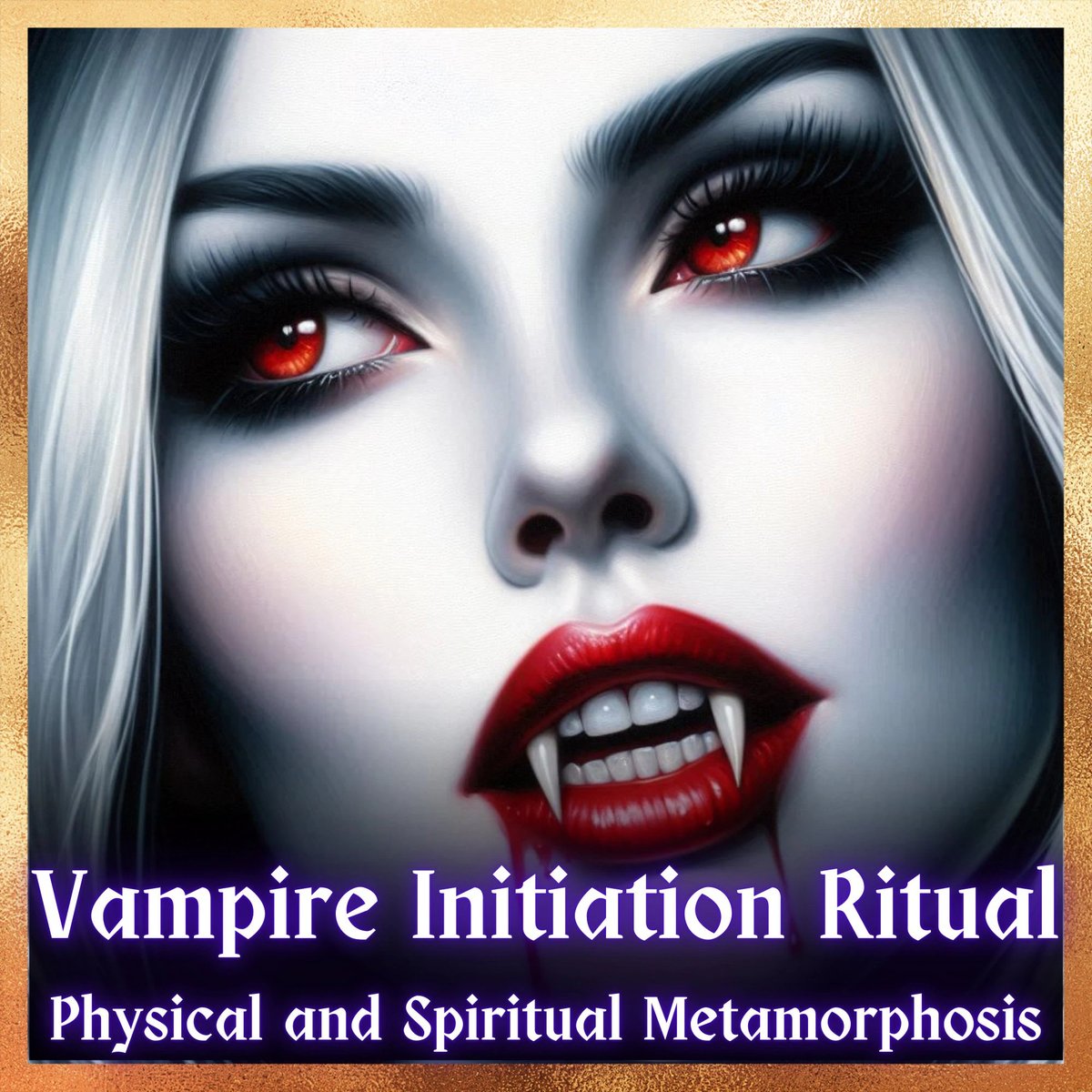
From fragile human to formidable immortal, Bella Swan's journey through Bella's Vampire Transformation Process is arguably the most anticipated and pivotal moment in the entire Twilight saga. It's a tale of love, sacrifice, and the ultimate embrace of destiny that captivated millions. But beyond the cinematic shimmer, what truly defined her complex metamorphosis?
Ready to sink your teeth into the details? Let’s explore the intense emotional and physical gauntlet Bella endured, contrasting the dramatic differences between the books and films.
At a Glance: Bella's Transformation Unveiled
- The Catalyst: Bella's dangerous pregnancy with Renesmee, her half-vampire child, pushed her to the brink of death.
- Edward's Role: Her husband, Edward, who initially opposed turning her, performs the life-saving transformation.
- The Core Process: Venom from a vampire bite (or multiple bites) courses through the human body, rebuilding it from the inside out.
- Book vs. Movie: The books depict a gruesome, agonizing, multi-day ordeal; the movie shows a more peaceful, condensed sequence.
- Newborn Phase: In the books, Bella was dangerously powerful and unpredictable; the movie largely omitted this crucial detail.
- Emotional Paradox: Bella gains immense physical strength and immortality but grapples with significant emotional and identity changes, embracing a heightened emotional spectrum rather than losing humanity.
- Altered Relationships: Her new state profoundly impacts her bonds with Edward, Jacob, and her human father, Charlie.
- Symbolism: Her transformation signifies empowerment, self-acceptance, and the complex interplay of love and sacrifice.
The Irreversible Choice: Why Bella Had to Change
Bella Swan's path to vampirism wasn't a casual decision or a youthful whim; it was a desperate, life-saving measure rooted in extraordinary circumstances. For years, Edward Cullen resisted turning Bella, fearing for her soul and the loss of her humanity. He saw vampirism as a curse, a monstrous existence he wouldn't wish upon his beloved. Their romance was defined by this fundamental conflict: his immortality vs. her mortality, and his reluctance to bridge the gap in the way she desired.
However, after their marriage, a miraculous and perilous event sealed Bella's fate: her pregnancy with Renesmee. This half-human, half-vampire child grew at an alarming rate, drawing sustenance from Bella in a way that rapidly deteriorated her body. The birth was brutal, pushing Bella to the absolute precipice of death. Her spine was broken, her body ravaged. At this critical juncture, Edward had no choice but to transform her to save her life. It was a race against time, a final act of love and desperation to prevent her demise. This dire situation fundamentally shifted Edward's long-held stance, making the Edward's complex feelings about turning Bella a matter of survival rather than a philosophical debate.
The Mechanics of Metamorphosis: How Venom Transforms a Human
At its heart, Bella’s vampire transformation process hinges on the introduction of vampire venom into the human bloodstream. This isn't just a fantasy trope; within the Twilight universe, venom is a highly potent biological agent that rewrites human physiology at a cellular level.
The Initial Infusion: Bites and the Burn
Once venom enters the bloodstream, it immediately begins its work. Edward, in a desperate attempt to save Bella as she lay dying after childbirth, bit her in multiple places in the books. This was to ensure the venom spread rapidly and effectively throughout her system, bypassing the damage already inflicted by Renesmee's birth.
The initial sensation for the human is an intense, all-consuming fire. Bella described it as her blood boiling, every nerve ending screaming in agony. This burning sensation spreads from the point of entry, consuming the body limb by limb, artery by artery. It's a purification by fire, burning away all traces of humanity to forge something new. This phase is excruciating, a true test of endurance, and it highlights some of the unique aspects of Twilight vampire lore that differ from other vampire stories.
The Body's Rebirth: Days of Darkness
While the movie adaptation showed a relatively quick, peaceful transition, the books painted a much grimmer picture. The transformation isn't instantaneous. Bella lay comatose for days, her body seizing with silent spasms, her skin turning cold and hard, her heart slowing to an almost imperceptible beat. Carlisle, the compassionate doctor of the Cullen family, even administered morphine to Bella in an attempt to alleviate her suffering, though it only served to keep her still, not numb the agonizing internal fire. She would periodically lose and regain consciousness, experiencing flashes of her human life amidst the burning.
During this period, the venom systematically replaces blood, strengthens muscles, hardens bones, and sharpens senses. Every cell is rewired, every function optimized. It's a complete biological overhaul, freezing the body at the peak of its human beauty and vitality, granting immortality.
The Awakening: A New World of Sensation
When the transformation is complete, the new vampire awakens with a profound shift in perception. The world becomes sharper, colors more vibrant, sounds more distinct, and scents overwhelmingly potent. This sensory overload can be disorienting, even painful, as the newborn adjusts to their hyper-aware state.
For Bella, her first moments as a vampire were defined by this sensory explosion and an insatiable, overwhelming thirst for blood – the defining hunger of her new existence. This thirst is not merely hunger; it's a primal, burning need that can drive a newborn vampire to uncontrollable violence.
Book vs. Movie: Two Very Different Transformations
The depiction of Bella's transition is one of the most significant differences between Stephenie Meyer's novels and the cinematic adaptations. Understanding these discrepancies is crucial for appreciating the full weight of her journey.
The Cinematic Version: Condensed and Calmed
In Breaking Dawn – Part 1, the movie portrays Bella's transformation with a degree of artistic license intended to streamline the narrative and cater to its primary demographic.
- Peaceful Demise: After the traumatic the birth of Renesmee, Edward injects Bella with venom. She lies still, seemingly peaceful, her mind a flurry of human memories flashing across the screen.
- Quick Turnaround: The movie implies a relatively swift transformation. Her heart slows, the Cullens listen anxiously, but she appears to awaken with new, crimson eyes shortly thereafter.
- Omission of Pain: The intense, agonizing burning pain described in the books is largely absent, or at least greatly downplayed.
- No Newborn Volatility: The immediate danger and raw, unpredictable power of a newborn vampire are not explicitly shown, allowing Bella to quickly reunite with her baby.
This cinematic choice, while visually less gruesome, sacrificed much of the visceral horror and the true "cost" of Bella's transformation. It presented a more digestible, less frightening version for a teenage audience.
The Literary Account: Grueling and Gritty
The books, however, pull no punches, presenting Bella's transformation as a truly harrowing experience:
- Multiple Bites: Edward bites Bella multiple times to ensure the venom takes hold quickly, intensifying the initial spread of pain.
- Agonizing Burn: Bella describes an excruciating, all-consuming burning sensation that lasts for days. She writhes in silent agony, even with Carlisle's intervention (morphine only keeps her still, not numbs the pain).
- Extended Ordeal: The transformation is a multi-day process where Bella is intermittently conscious, trapped within her burning body.
- Dangerous Newborn: Upon awakening, Bella is not immediately reunited with her family. Instead, she is seen as a highly dangerous and unpredictable newborn vampire, exhibiting immense strength and an overwhelming bloodlust. The Cullens, particularly Edward, exercise extreme caution, forbidding her from seeing Renesmee until she completes her first hunt and gains control. This highlighted the unpredictable nature of newborn vampires and the significant risks involved.
- Control and Training: A substantial portion of the book focuses on Bella learning to control her newborn instincts, which she remarkably masters with an unparalleled level of self-restraint for a new vampire.
The book’s depiction emphasizes the true downsides of vampirism, the monstrous element that Edward so feared. It adds significant depth to her struggle for control and the protective measures her family had to take.
The Aftermath: A New Identity, New Challenges
Bella's vampire transformation process didn't end with her awakening. It marked the beginning of a profound identity crisis and a complete restructuring of her world and relationships.
Enhanced Senses, Unrivaled Strength
As a vampire, Bella gains a suite of superhuman abilities:
- Super Strength: She can snap trees, lift cars, and overpower almost any opponent.
- Incredible Speed: Her movements are a blur, allowing her to cover vast distances in moments.
- Heightened Senses: Her sight, hearing, and smell are amplified far beyond human capacity.
- Immortality: She is impervious to disease, aging, and most forms of physical harm, making her virtually indestructible.
- Unique Gift: Unbeknownst to her, Bella possesses a powerful mental shield as a human, which she can now project as a vampire, protecting herself and others from psychic attacks.
This newfound power contrasts starkly with her human vulnerability, transforming her from the clumsiest member of the Cullen household into one of its most formidable. It represents a transition from innocence to empowerment, though not without its costs.
The Emotional Spectrum: More, Not Less
Contrary to traditional vampire lore that often portrays vampires as devoid of emotion, Bella experiences a heightened emotional spectrum. Her feelings become more intense, her love for Edward, Renesmee, and her family more profound. This challenges her self-perception, forcing her to integrate her human instincts with her vampiric desires. Her struggle between loss and power reveals that true strength lies not in emotional suppression, but in embracing vulnerability and connection.
Redefining Relationships: Love, Jealousy, and Acceptance
Bella's transformation ripples through all her significant relationships:
- Edward: He grapples with her new power and independence. The dynamic shifts from protector to equal, requiring adjustment and acceptance of her formidable nature.
- Jacob: The werewolf Jacob Black, forever tied to Bella, experiences jealousy and concern. He eventually imprints on Renesmee, shifting his focus but forever altering Bella and Jacob's evolving relationship.
- Charlie: Her human father, Charlie Swan, initially struggles with the inexplicable changes in Bella. The Cullens work tirelessly to keep him unaware of their true nature, forcing Bella to maintain a careful distance to protect him. This sacrifice of her human family life is a significant emotional toll.
The Metaphorical Journey: Beyond Fangs and Immortality
Many fan theories suggest Bella's shift symbolizes a deeper struggle with self-acceptance and societal expectations. Her transformation can be seen as a metaphor for:
- Personal Growth: Confronting one's true self, accepting radical changes, and finding strength in vulnerability.
- Embracing Identity: Moving past perceived flaws (her clumsiness, her "ordinariness") to accept her extraordinary nature.
- Sacrifice for Love: Her transformation is ultimately a testament to the lengths she would go for Edward and Renesmee, highlighting the profound sacrifices inherent in deep relationships.
Ultimately, her transformation is a powerful commentary on identity, sacrifice, and the enduring nature of love, emphasizing loss over power.
Common Questions About Bella's Transformation
Given the profound nature of Bella's change, it’s natural for readers to have lingering questions. Here are some of the most common ones:
Did Bella want to be a vampire?
Yes, unequivocally. For most of the saga, Bella actively desired to become a vampire to be with Edward forever and to fully belong to his world. Her transformation, however, ultimately happened out of necessity to save her life.
How painful was Bella's transformation?
In the books, it was agonizingly painful, described as an all-consuming fire that lasted for days. The movie significantly downplayed this aspect, depicting it as more peaceful.
How long did Bella's transformation take?
In the books, Bella was in the throes of transformation for several days. In the movie, it appears to be a much quicker process, lasting perhaps a matter of hours from the venom injection to her awakening.
Did Bella immediately control her thirst as a newborn?
Remarkably, yes. In the books, Bella displayed an unprecedented level of self-control for a newborn vampire. While the bloodlust was overwhelming, she managed to curb her instincts to an extraordinary degree, particularly with Edward's help and the promise of seeing Renesmee. Most newborns are notoriously volatile and dangerous for months, even years.
What was Bella's vampire "gift"?
Bella's unique vampire gift is a powerful mental shield. As a human, she was immune to mind-based vampire abilities (like Edward's mind-reading or Jane's pain illusion). As a vampire, she learns to consciously project this shield, protecting herself and others around her from psychic attacks.
Did Bella lose her humanity?
No, not in the traditional sense. Bella's transformation is unique in that she retains a strong connection to her human emotions and empathy. Instead of losing her humanity, her emotions become amplified, and she embraces a new, heightened form of existence where her human essence is integrated with her vampiric nature.
Embracing the Immortal: Bella's Legacy
Bella's Vampire Transformation Process is more than just a plot point; it's the culmination of her entire journey, a moment of profound change that solidified her place in the extraordinary world she chose. It’s a testament to the idea that true strength can emerge from vulnerability, and that even in radical transformation, the essence of who we are can endure, even amplify.
Whether you prefer the cinematic calm or the literary agony, one thing is clear: Bella Swan's awakening as a vampire profoundly reshaped the Twilight universe, giving us a heroine who is both powerful and deeply human in her immortality. To dive deeper into her life as an immortal, explore the full scope of Bella's vampire transformation and its lasting impact.